Okay, so check this out — I installed the Phantom browser extension again last week. Really. I know, I know: wallets are a dime a dozen and every new update promises to fix something that was only sorta broken before. My first thought was skepticism. Then curiosity. Then a little delight. Wow.
Here’s the thing. Phantom feels like the polished app you’d expect someone to build after living in the Solana ecosystem for a while. It’s clean, fast, and it doesn’t try to be everything to everyone. My instinct said “fast on-ramp, low friction,” and that’s exactly what I experienced when I connected it to a couple of dApps. On the other hand, I kept an eye on permissions and dev tools—because, honestly, wallets make me twitchy if you let them.
My initial setup was smooth: install the extension, create a wallet or import a seed, then connect. Simple as that. Actually, wait—let me rephrase that. Simple mostly. You still need to be careful with your seed phrase. Back it up offline. Don’t screenshot it. Don’t email it to your friend Bob (seriously?).
One thing that bugs me about browser extensions in general is how they handle network switching. Phantom handles Solana clusters well, though sometimes the UI doesn’t make the cluster obvious at a glance, so double-check if you’re on mainnet-beta versus devnet when you’re testing. (Oh, and by the way… if you’re using multiple wallets or multiple machines, the experience can feel a little fragmented.)
Why the browser extension still matters — and my real-world notes
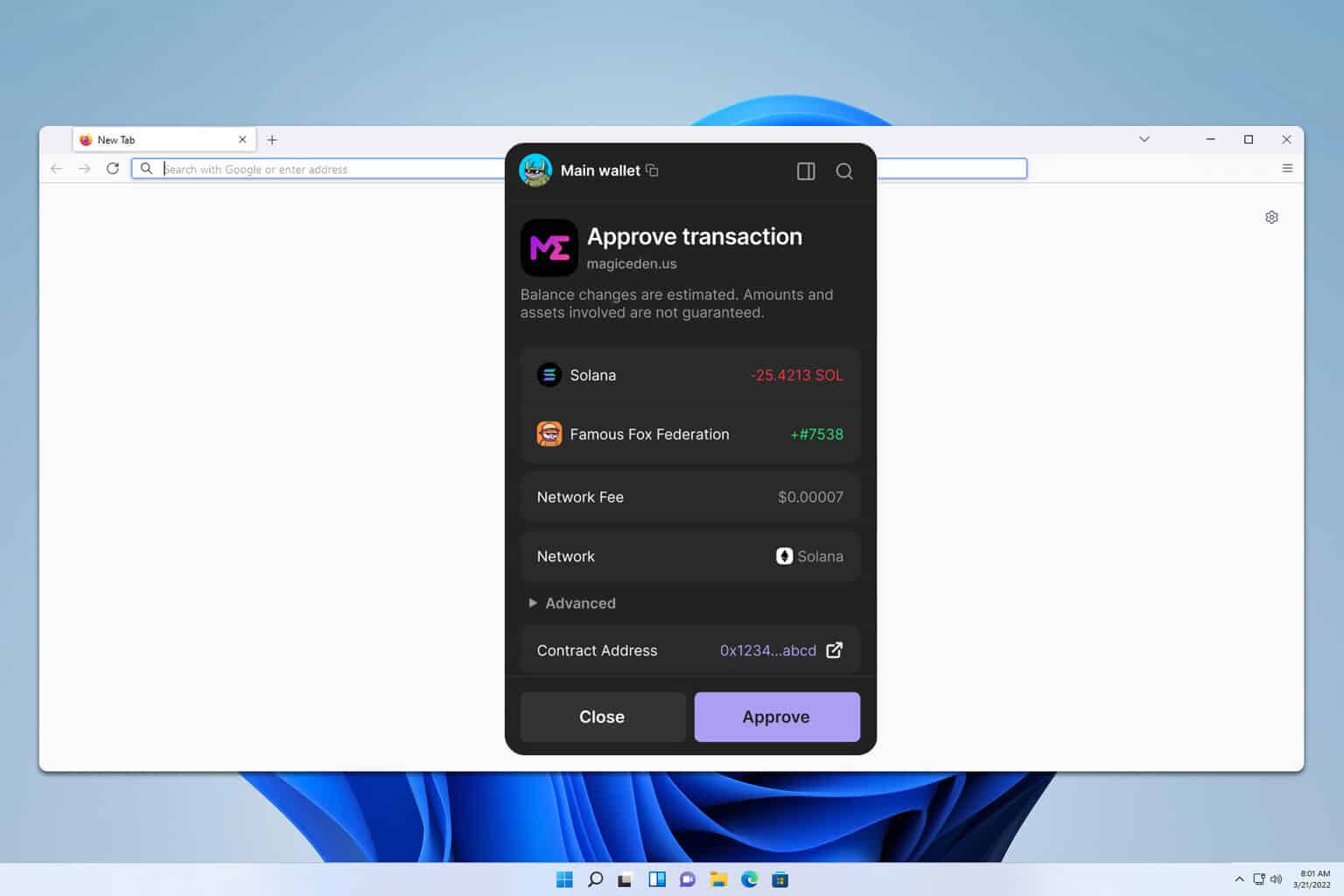
The extension is the bridge between the browser and the Solana apps you actually use. For most folks who want to trade NFTs, interact with DeFi, or sign a wallet-based login, a browser extension is the quickest route. My hands-on use revealed a few things: transactions are fast, the UI gives clear prompts (most of the time), and connecting to new dApps tends to be intuitive. That said, don’t just click “approve” without reading. My rule: slow your thumbs, read the permission text, and ask—what is this dApp asking to do?
If you want to get the extension, this link leads to a place where you can download it: https://sites.google.com/cryptowalletextensionus.com/phantomwalletdownloadextension/. I used it as my quick entry point during setup. I’m biased toward convenience, but I prefer linking from an official source (and verifying the publisher in the extension store) so you should do the same.
Performance-wise, Solana’s low fees and high throughput are obvious when you’re clicking through confirmations; even small trades or transfers feel snappy. On one hand that’s comforting — on the other, it lulls some people into approving without thinking. Hmm… I saw that once with a friend who approved a token swap out of habit. Didn’t end well for their tiny ego (and they lost some SOL).
Security is where my analytical brain kicks in. Phantom provides a clear seed phrase flow, hardware wallet support (Ledger), and request approval prompts. Initially I thought the extension might be an easy attack vector, but after poking around and testing hardware wallet pairing, I felt more confident. Still—no system is flawless. Use a hardware wallet for large holdings. Period.
Let me be candid: the mobile app and extension aren’t perfect twins. I sometimes felt the mobile experience lagged behind the extension in terms of features, though sync has improved. If you’re juggling many NFTs across marketplaces, that sync gap can be annoying — especially during a drop. So plan accordingly: desktop for heavy lifting, phone for quick checks.
Another practical tip from my experience: enable auto-lock, but set a reasonable timeout. Too short, and you keep unlocking; too long, and someone with access to your unlocked machine can mess around. It’s a small tug-of-war between convenience and safety. Also, use a separate browser profile for crypto stuff — it keeps cookies and other trackers from muddying the waters.
Frequently Asked Questions
Is the Phantom extension safe to use?
Short answer: yes, if you follow basic safety hygiene. Use the official extension, verify the publisher in the browser extension store, back up your seed phrase offline, and pair a hardware wallet for large balances. My gut says treat it like a real bank card — but with much higher responsibility.
Can I import an existing wallet into Phantom?
Yes. You can import via seed phrase, though importing carries the same risks as creating: anyone with that phrase has access. For extra security, consider transferring funds to a freshly created wallet or using a hardware device. I’m not 100% sure on every edge-case import flow—double-check current docs before you move everything.
Should I use the browser extension or the mobile app?
Use both if you can: desktop/extension for trading, minting, and heavy interaction; mobile for checking balances and quick approvals. If you want the safest setup, combine the extension with a hardware wallet and use the mobile app only for light tasks.
Final thought — and this is the emotional kicker: wallets are personal. They reflect how you approach risk, speed, and convenience. Phantom got my trust slowly, with small wins and a couple of tense moments that taught me to double-check prompts. It’s not perfect, and I still get a little anxious when a new permission pops up, but overall it’s a pragmatic and well-designed tool for Solana users. If you’re stepping into the ecosystem, the extension is a solid place to start — just bring your attention, and keep your seed offline.